
 European Union
 Italiano
EXPO Invest s.r.o. Reg.No. 54982057 VAT No. SK2121830810 Location: Horna 37 974 01 Banska Bystrica, Bratislava, Slovensko
What Are Energy-Saving Windows: Pros and Cons
In recent years, the demand for energy-efficient home solutions has significantly increased, with homeowners becoming more conscious about their environmental impact and utility costs. One of the most effective ways to reduce energy consumption in a home is by installing energy-saving windows. These windows are designed to minimize heat transfer, keeping your home cooler in the summer and warmer in the winter. But are energy-saving windows truly worth the investment? In this article, we will explore energy-saving windows, how they work, their benefits, and some potential downsides to help you make an informed decision.
What Are Energy-Saving Windows?
Energy-saving windows, also known as energy-efficient windows, are designed to reduce the energy needed to heat or cool a home. These windows typically feature multiple panes of glass, special coatings, gas fills between the panes, and insulated frames. The goal is to minimize the transfer of heat between the inside and outside of a building, thus reducing the need for artificial heating or cooling.
How Do Energy-Saving Windows Work?
The primary mechanism behind energy-saving windows is their ability to reduce heat transfer. This is achieved through several features:
- Low-E Coatings: Low-emissivity (Low-E) coatings are thin metallic layers applied to the glass. These coatings reflect infrared heat, keeping it inside during the winter and outside during the summer.
- Multiple Panes of Glass: Most energy-efficient windows have two or three panes of glass. The extra layers provide additional insulation compared to single-pane windows.
- Gas Fills: The space between the panes is often filled with an inert gas like argon or krypton. These gases are denser than air, which further reduces heat transfer.
- Insulated Frames: The window frames are often made from materials like vinyl, wood, or fiberglass, which provide better insulation than traditional aluminum frames.
The Benefits of Energy-Saving Windows
Energy-saving windows offer a range of advantages that make them a popular choice for homeowners:
1. Reduced Energy Bills
One of the most significant benefits of energy-saving windows is the reduction in energy bills. By preventing heat from escaping during the winter and entering during the summer, these windows can significantly reduce the need for heating and cooling. Over time, the savings on energy costs can offset the initial investment in the windows.
2. Increased Comfort
Energy-saving windows help maintain a more consistent indoor temperature, reducing drafts and cold spots. This makes your home more comfortable year-round, regardless of the weather outside.
3. Environmental Benefits
By reducing the need for heating and cooling, energy-saving windows also lower your home’s carbon footprint. This makes them an environmentally friendly choice for homeowners looking to reduce their impact on the planet.
4. Noise Reduction
The multiple panes of glass and insulated frames also provide excellent noise reduction. If you live in a noisy area, energy-saving windows can help create a quieter indoor environment.
5. Increased Home Value
Investing in energy-saving windows can increase the value of your home. Prospective buyers are often willing to pay more for a home with energy-efficient features, knowing that they will save on utility bills in the long run.
6. Protection from UV Rays
Low-E coatings on energy-saving windows also block harmful UV rays. This protects your furniture, carpets, and other interior items from fading over time.
The Downsides of Energy-Saving Windows
While there are many benefits to energy-saving windows, there are also some potential downsides to consider:
1. Higher Initial Cost
Energy-saving windows are more expensive than standard windows. The cost of materials, installation, and additional features like Low-E coatings and gas fills can add up. However, many homeowners find that the long-term savings on energy bills justify the initial investment.
2. Complex Installation
Installing energy-saving windows is more complex than installing standard windows. Proper installation is crucial to ensure that the windows function as intended. This may require hiring a professional, which can add to the overall cost.
3. Potential for Condensation
In some cases, energy-saving windows can cause condensation to form between the panes of glass. This can occur if the seals between the panes are not airtight. Condensation can reduce the effectiveness of the windows and may require costly repairs or replacements.
4. Limited Style Options
While energy-saving windows come in a variety of styles, the options may be more limited compared to standard windows. Homeowners with specific aesthetic preferences may find it challenging to find energy-efficient windows that match their desired look.
5. Reduced Solar Heat Gain
In colder climates, energy-saving windows may reduce solar heat gain, which can be a disadvantage. Some homeowners rely on the sun’s warmth to help heat their homes during the winter, and energy-saving windows can limit this natural heat source.
Factors to Consider Before Installing Energy-Saving Windows
Before deciding to install energy-saving windows, there are several factors to consider:
1. Climate
The effectiveness of energy-saving windows can vary depending on the climate in which you live. In regions with extreme temperatures, the benefits are more pronounced. However, in milder climates, the energy savings may be less significant.
2. Home Orientation
The orientation of your home also plays a role in how effective energy-saving windows will be. South-facing windows receive more sunlight, which can contribute to natural heating in the winter. Energy-saving windows on the north side of the house may have less of an impact.
3. Existing Windows
If your current windows are in poor condition, replacing them with energy-saving windows can result in substantial energy savings. However, if your windows are already well-insulated, the improvement may be less noticeable.
4. Budget
While energy-saving windows can provide long-term savings, the initial cost is a significant factor. Homeowners should weigh the upfront expense against the potential energy savings and consider financing options if necessary.
5. Installation Quality
The performance of energy-saving windows depends heavily on proper installation. Poorly installed windows can negate the benefits of energy efficiency, so it’s essential to hire experienced professionals for the job.
Conclusion
Energy-saving windows offer numerous advantages, including lower energy bills, increased comfort, environmental benefits, and noise reduction. However, they also come with higher upfront costs and require careful consideration regarding installation and climate suitability. For many homeowners, the long-term savings and enhanced home value make energy-saving windows a worthwhile investment. If you’re looking to reduce your energy consumption and create a more comfortable living environment, energy-saving windows are an excellent option to consider.
Some of our works
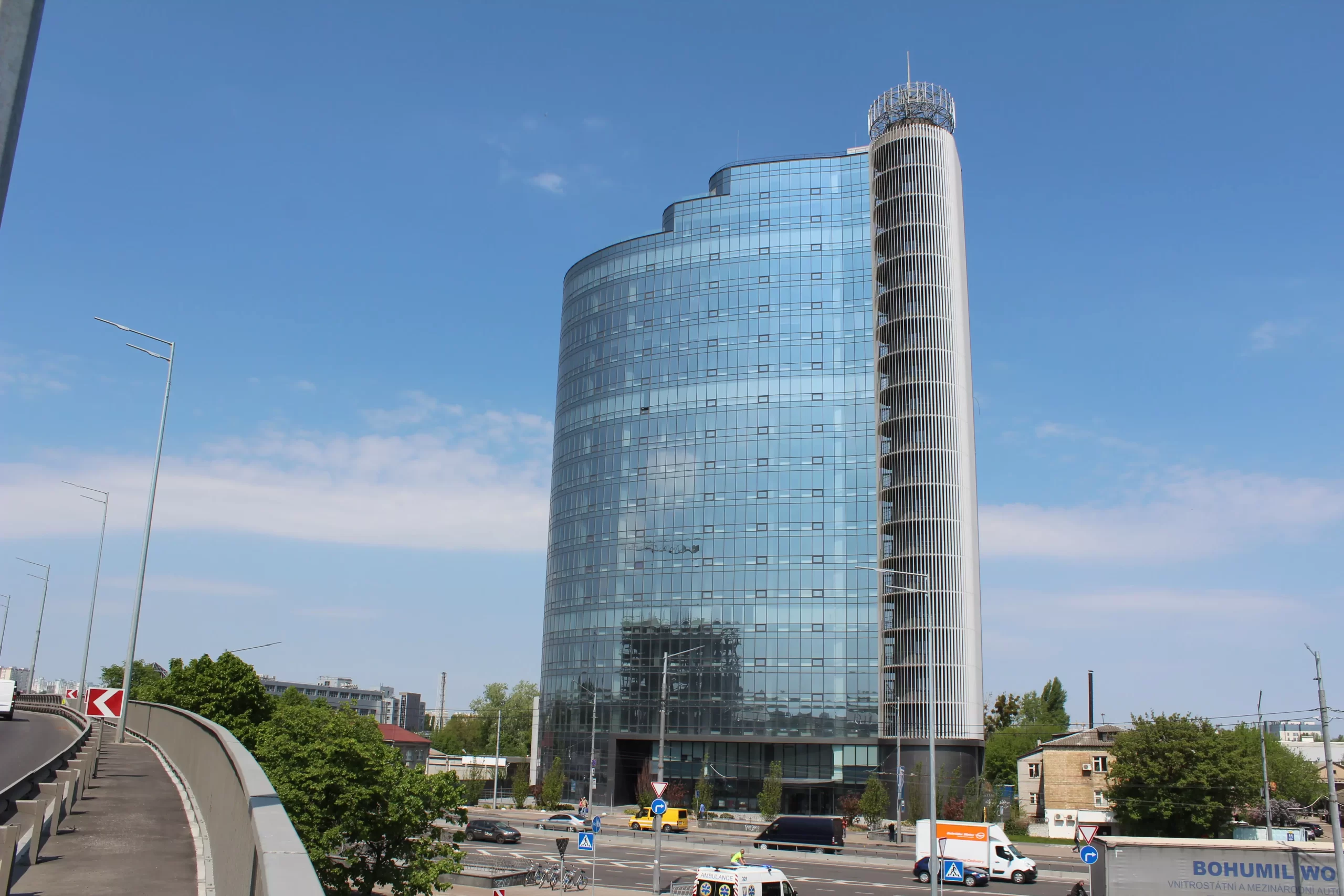 Business center "Wave Tower"
 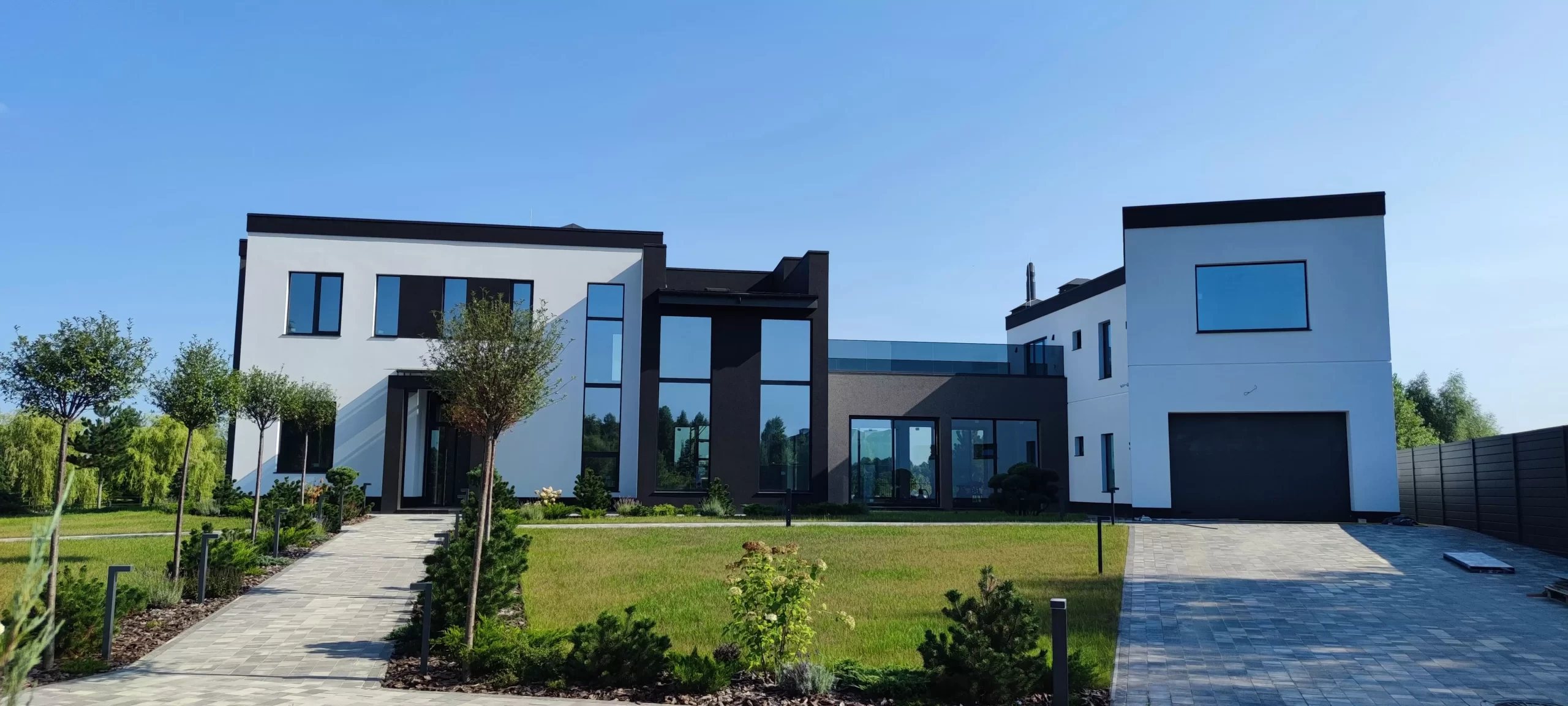 Single-family house
 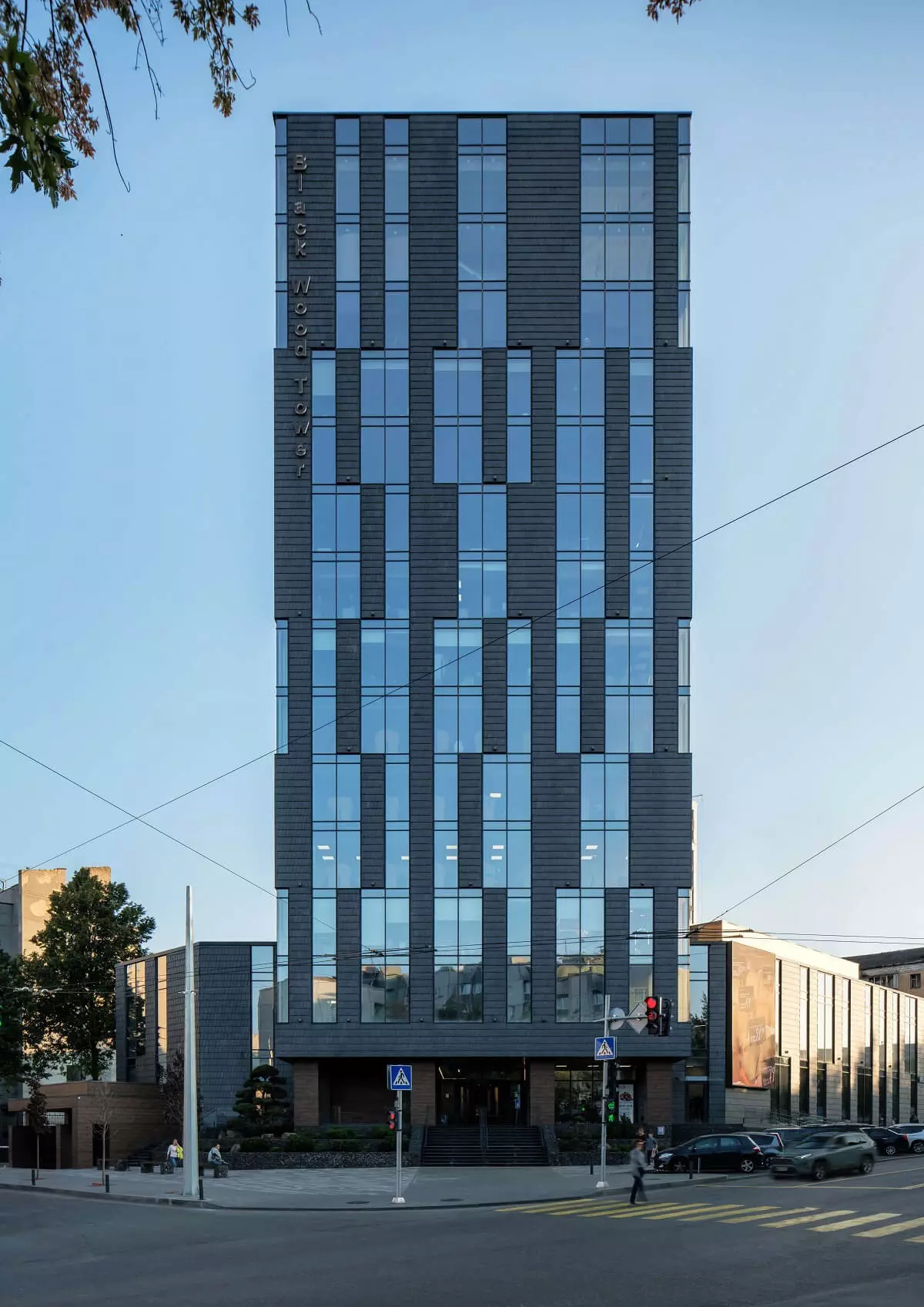 Business center "Black Wood Tower"
 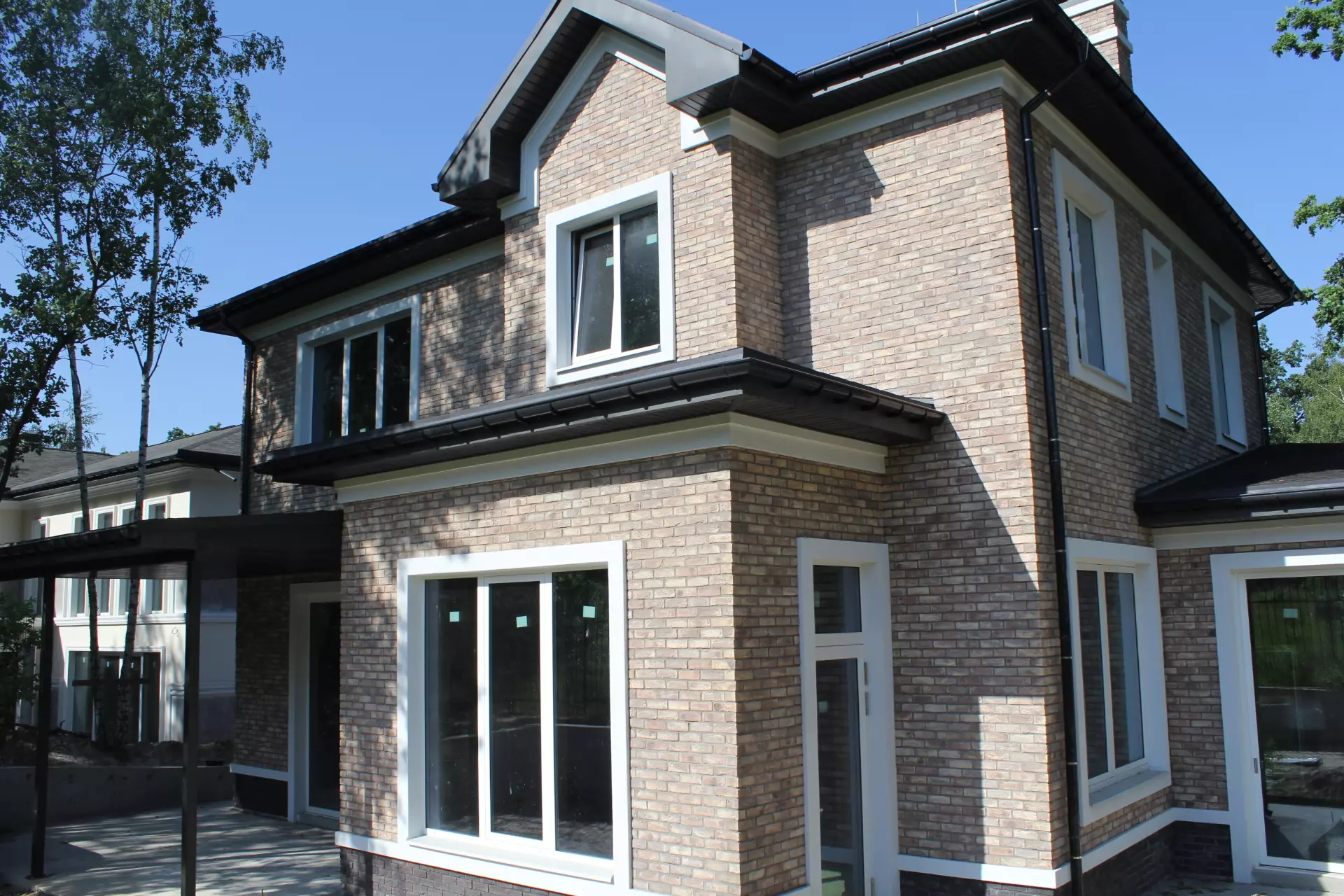 Single-family house
 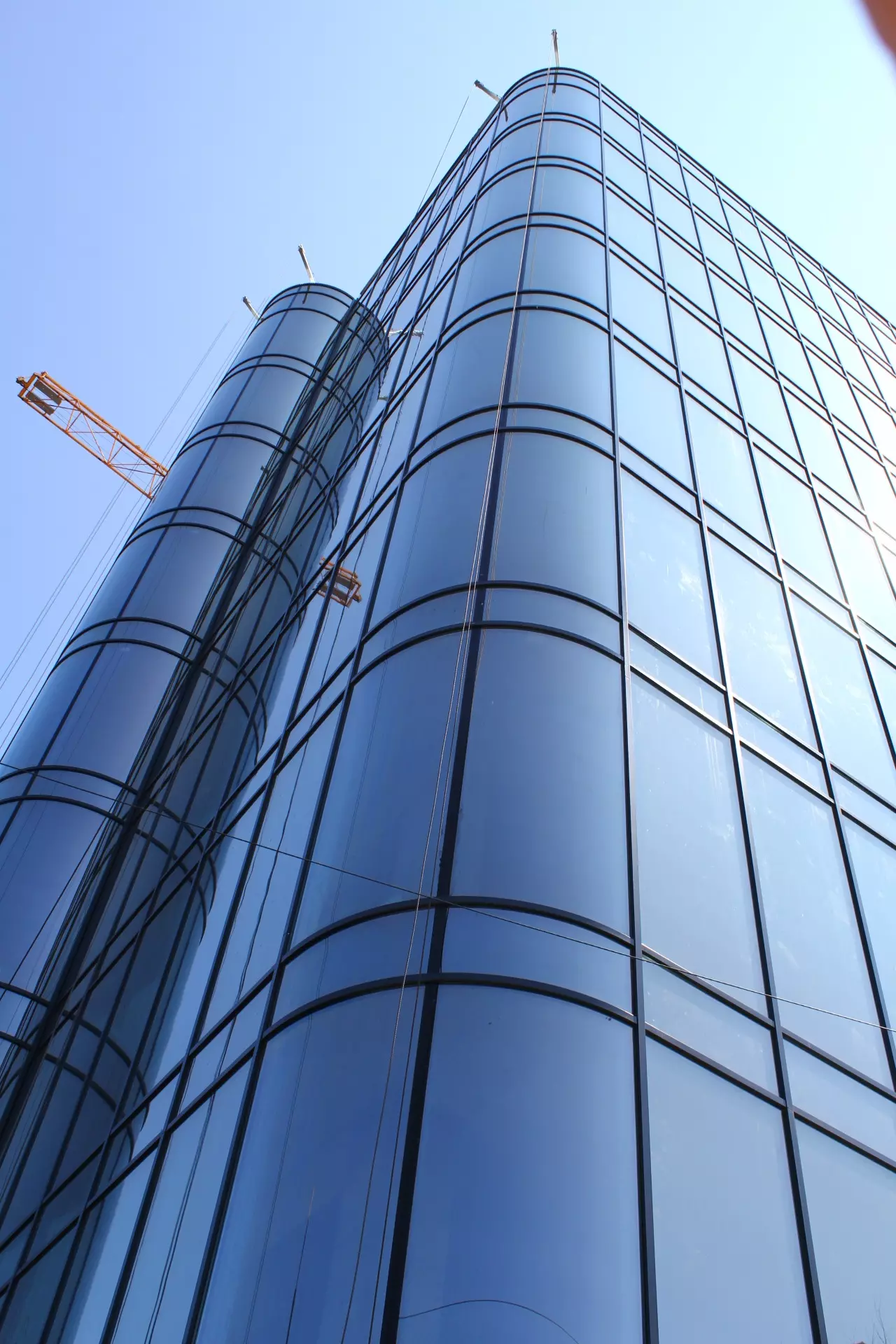 Business center "Protasiv" Single-family house
  Medical center "UniClinic"
 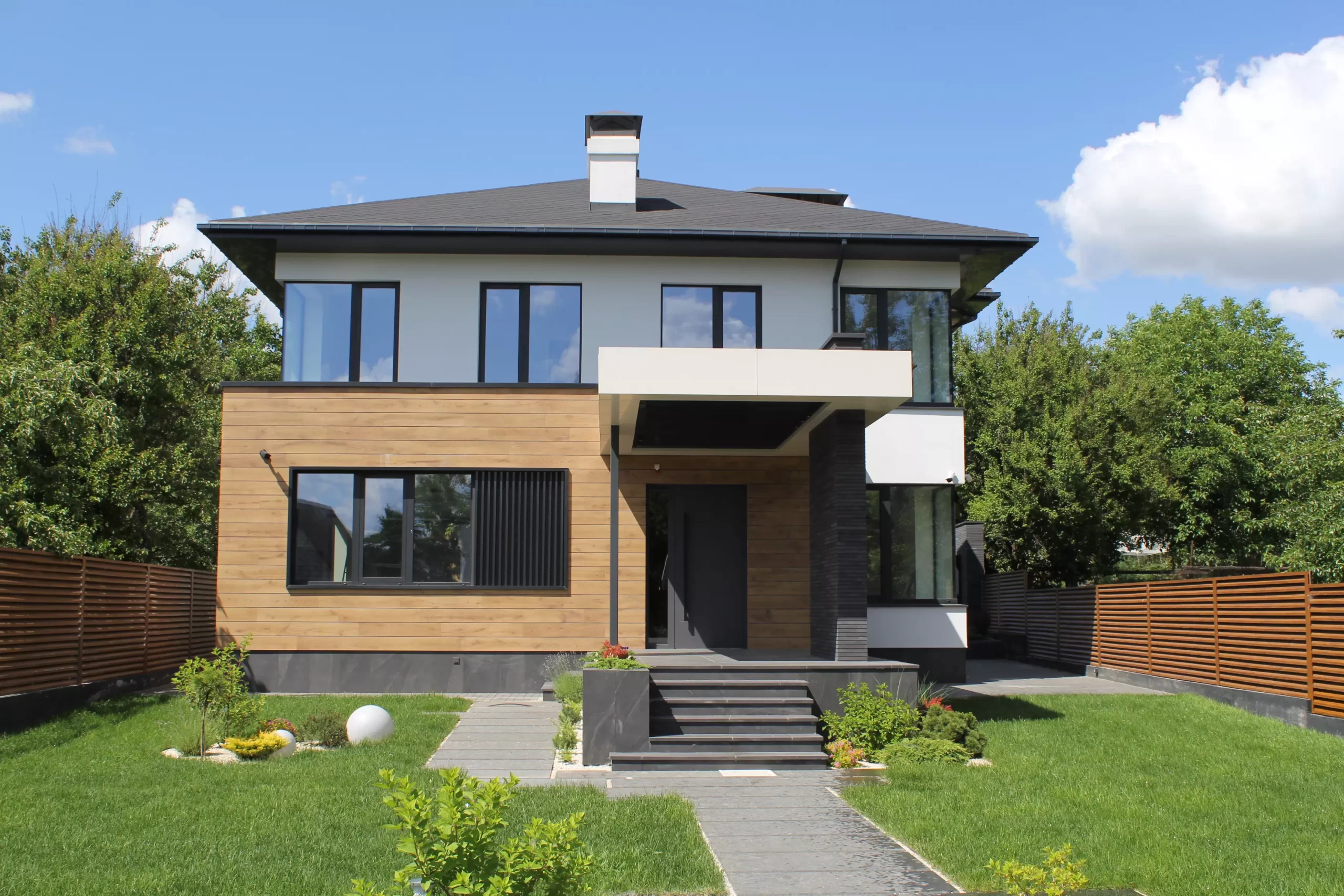 Single-family house
 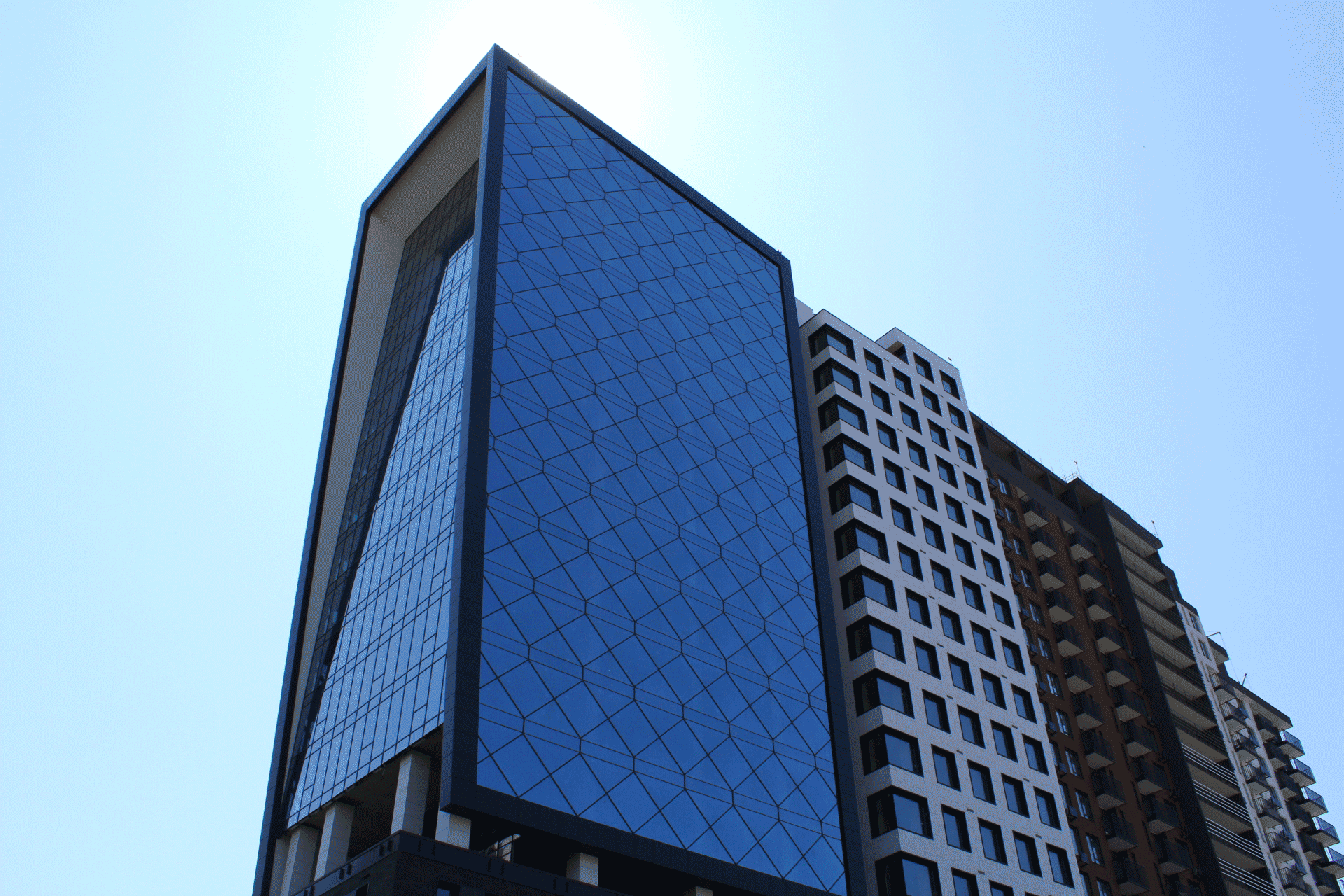 Business center "Be the one"
 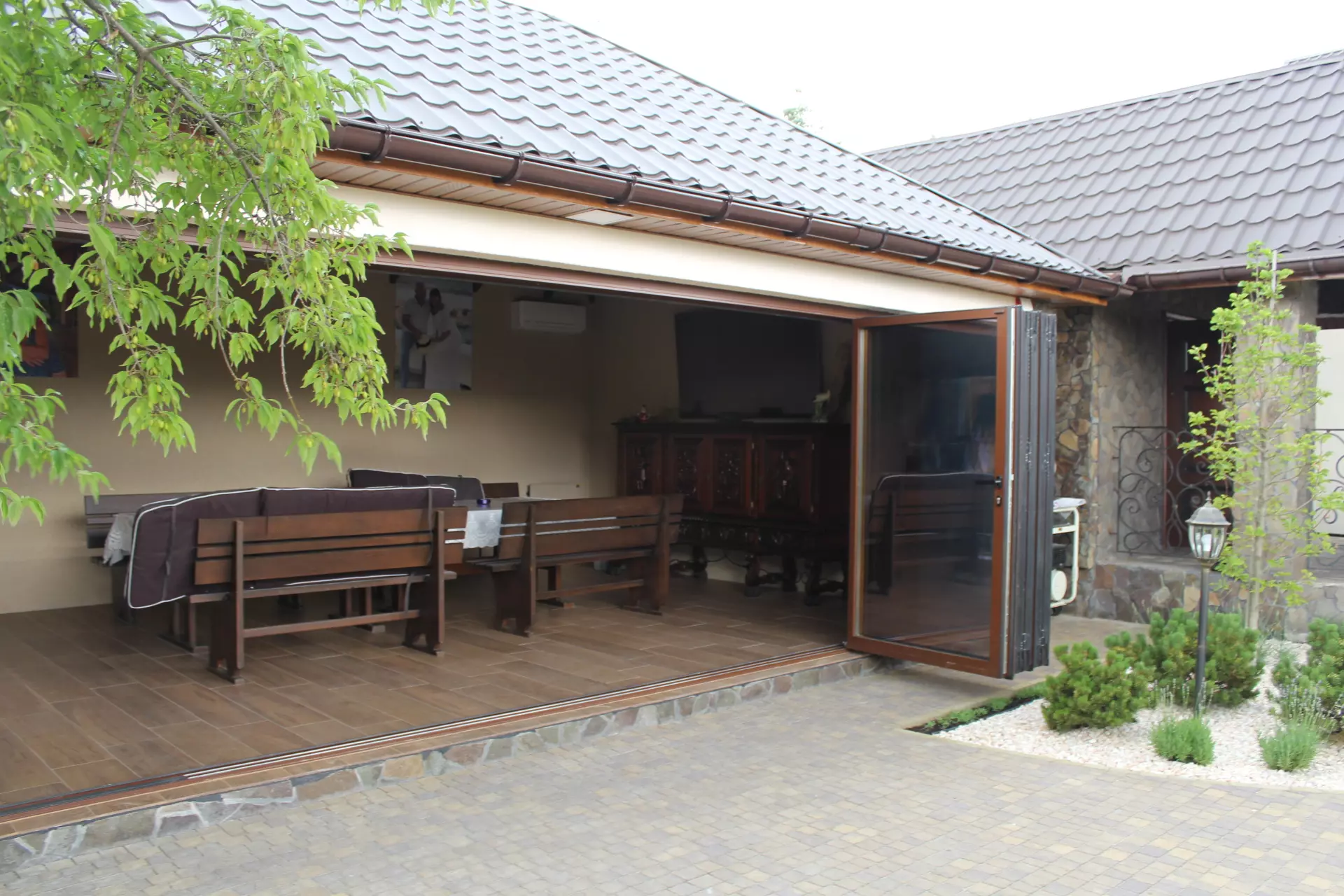 Single-family house
 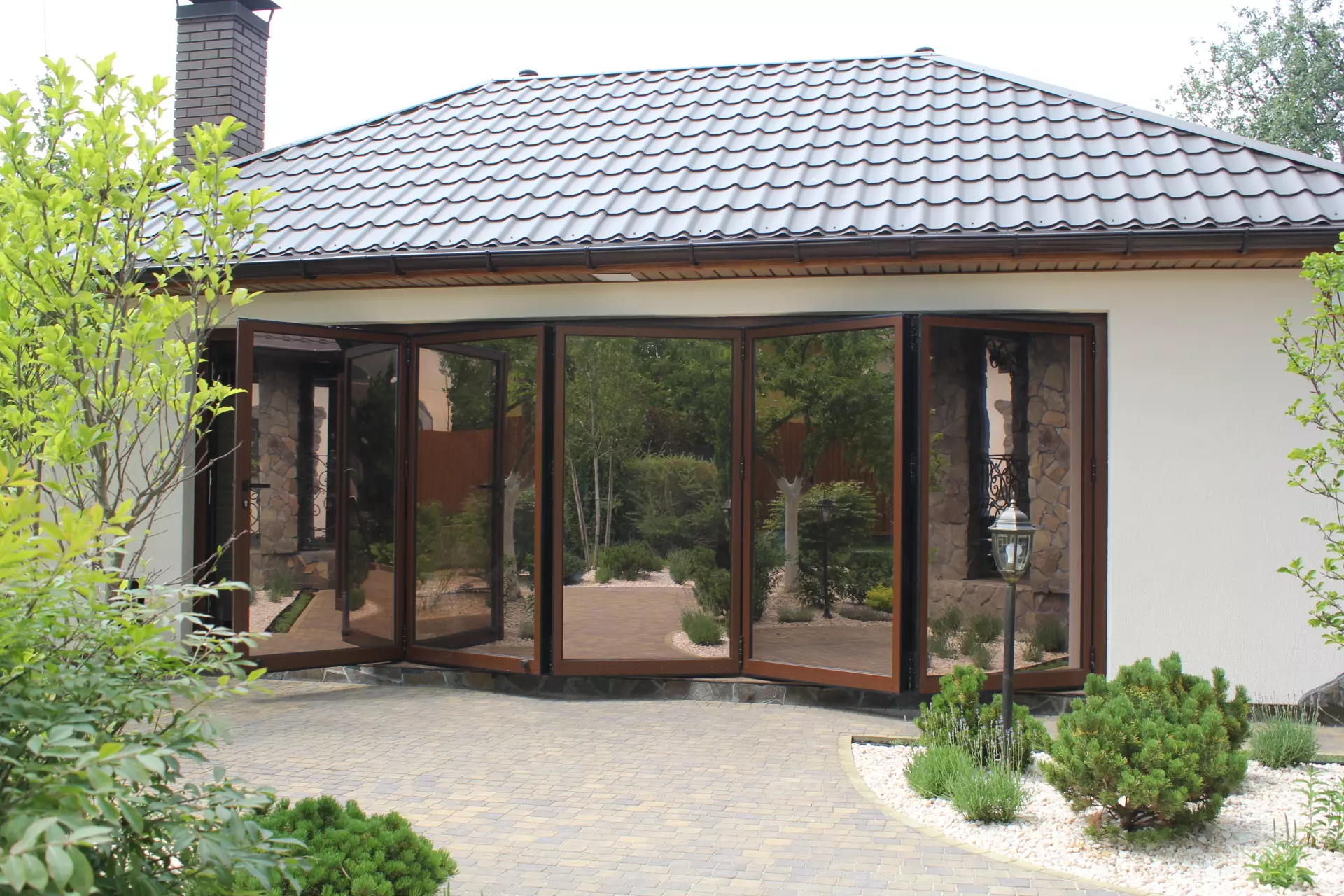 Single-family house
  "Trinity" business center
 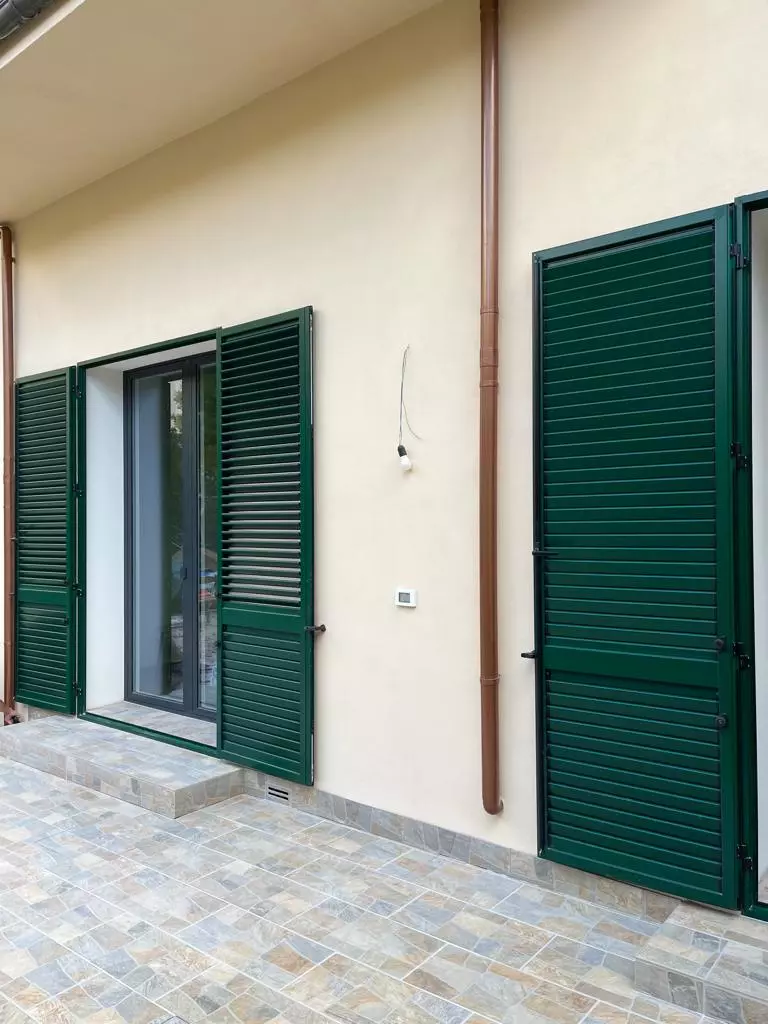 Single-family house
 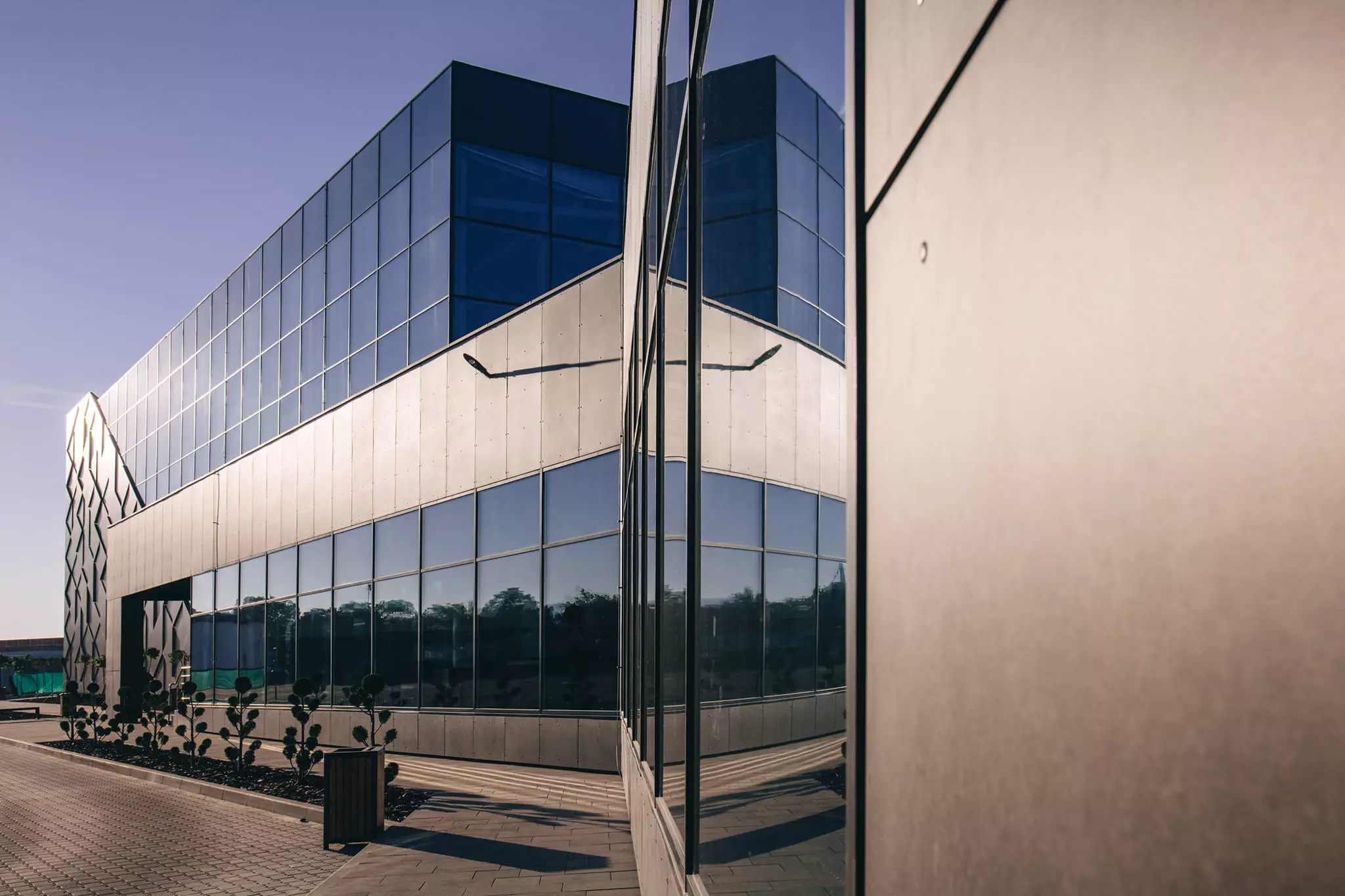 Waterpark
 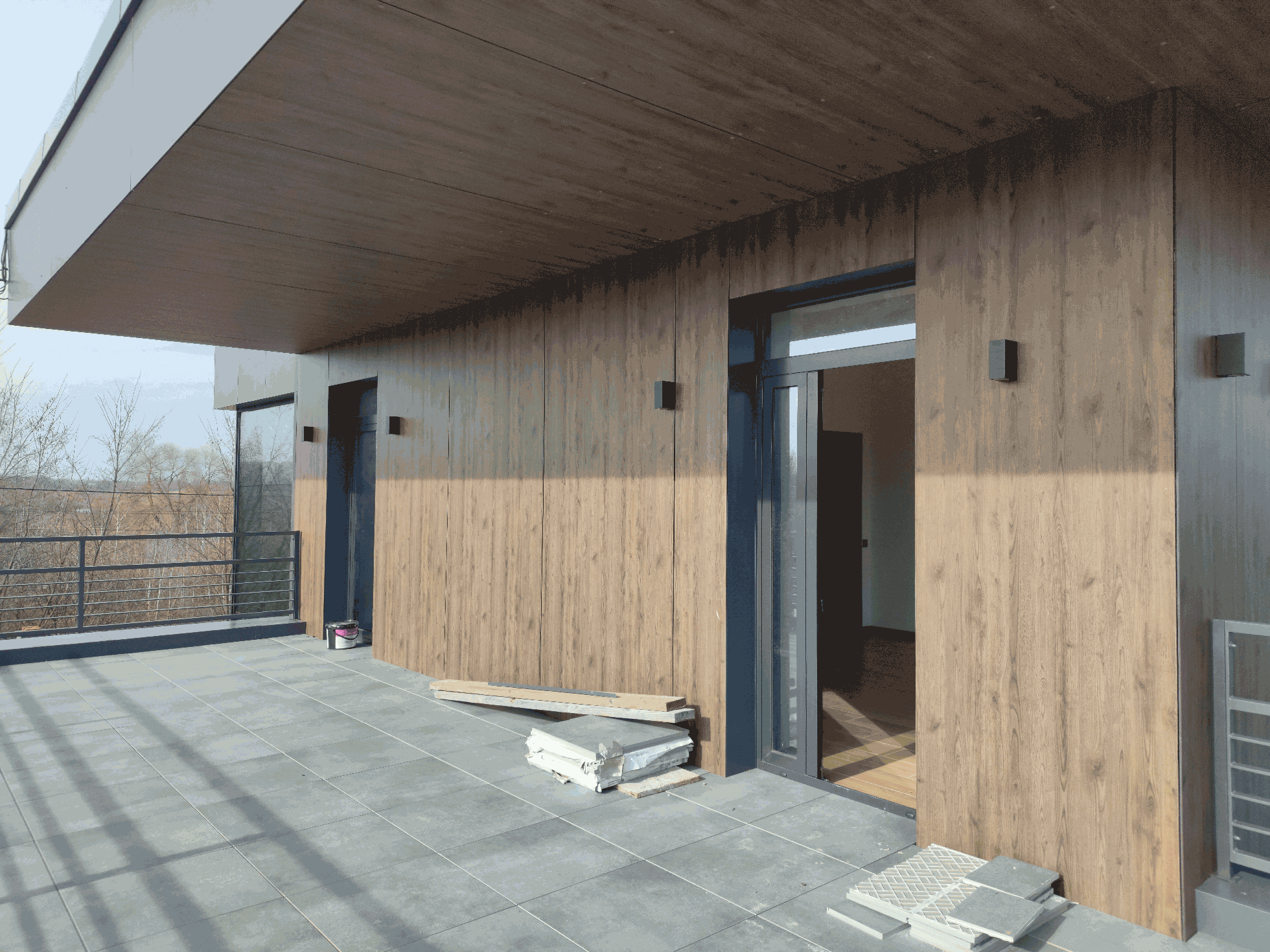 Single-family house
  Amosov national institute of cardiovascular surgery
  Amosov national institute of cardiovascular surgery
 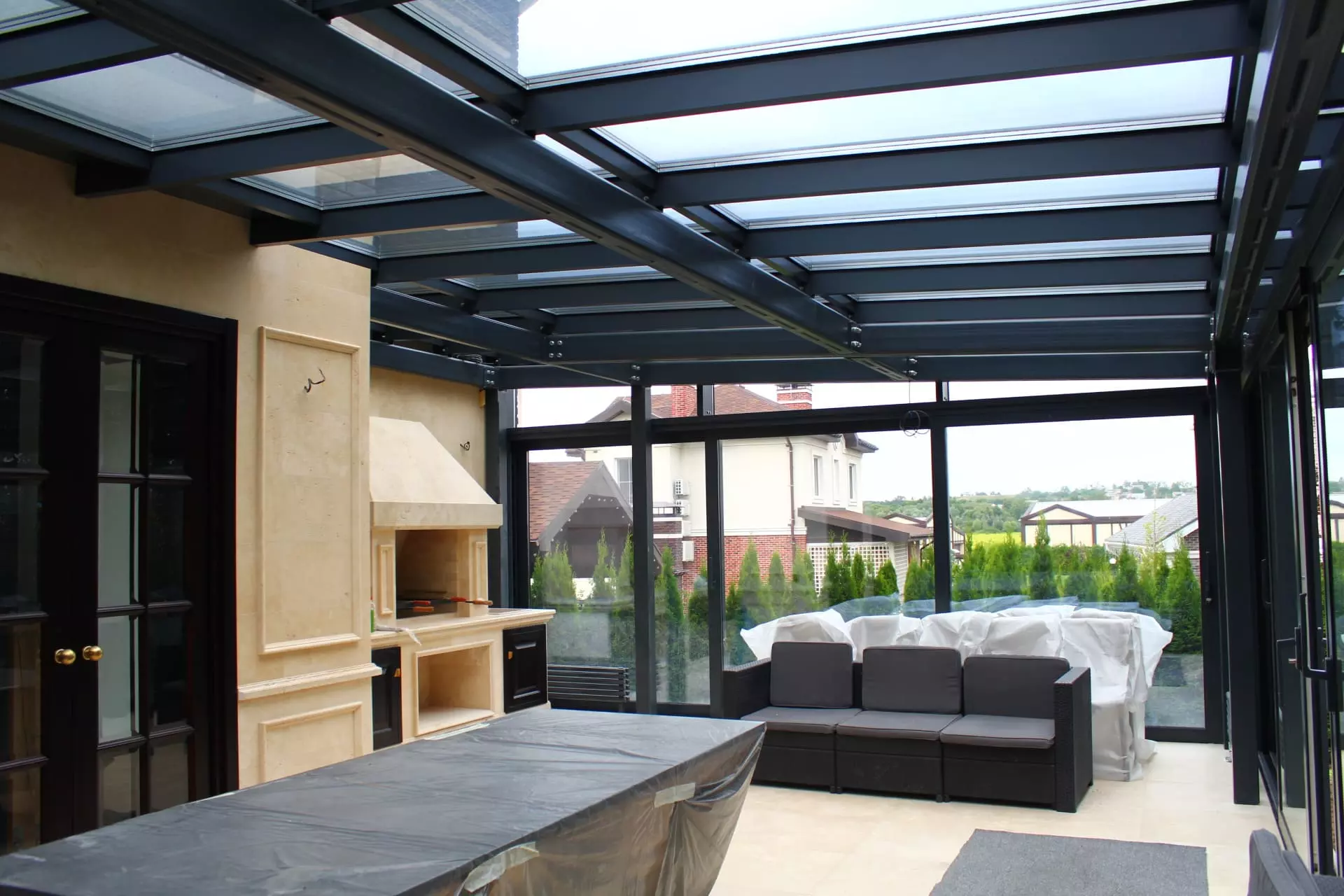 Single-family house
 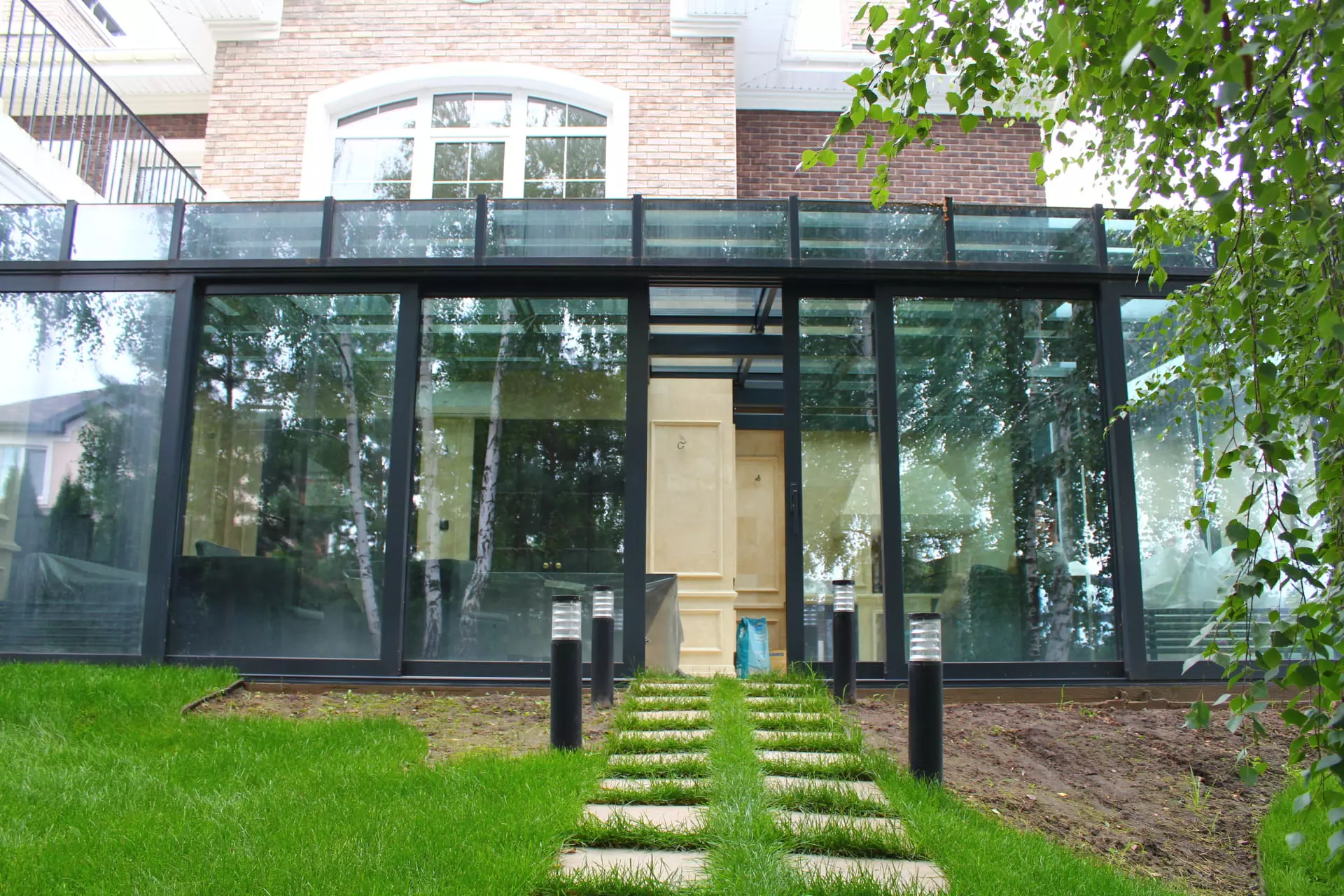 Single-family house
 The application has been sent
Thank you for submitting your request. A manager will contact you shortly.